Roborock Robot Vacuum Review: Is AI Cleaning Worth It?
Page last edited: · About these dates
What AI-powered mapping and obstacle avoidance actually change about daily cleaning.
✓ Pros
- Genuinely thorough, methodical cleaning vs. older random-path robots
- Obstacle avoidance meaningfully reduces getting stuck or damaging items
- App-based room selection and no-go zones are easy to set up
- Self-emptying models cut hands-on maintenance to occasional bag changes
✕ Cons
- Higher-end self-emptying models are a significant investment
- Mopping function is a light pass, not a substitute for hand-mopping stains
- Thick, high-pile rugs can still trip up navigation or reduce suction efficiency
- Requires clear floors on the first mapping run to build an accurate map
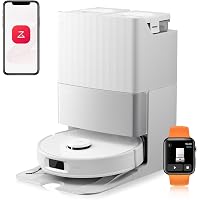
Check the Qrevo S Pro price on Amazon.de →Amazon.de affiliate link. Price and availability can change.
Roborock's robot vacuums use AI-driven navigation — LiDAR mapping combined with computer-vision obstacle recognition — to clean a home methodically instead of bumping around at random like older robot vacuums. Most current models also mop, empty their own dustbin, and let you set no-go zones and cleaning schedules from an app.
What It Actually Does
On first run, the robot maps your home's layout room by room. The AI vision system identifies obstacles — cables, shoes, pet waste in some models — and routes around them rather than colliding and getting stuck. You can set specific rooms to clean, adjust suction per room type (carpet vs. hardwood), and in higher-end models, let it empty its own bin into a base station for weeks at a time.
Who It's For
Best fit: households with mostly hard flooring or low-pile carpet, pet owners wanting daily fur pickup without manual vacuuming, and anyone who wants cleaning to just happen on a schedule. If your home has thick shag carpet or a lot of ground clutter, a stick vacuum may still be more practical for now.
Our Verdict
Roborock's AI navigation is the real differentiator here — it's the difference between a vacuum that cleans deliberately and one that cleans by accident. For the right home layout, it removes a recurring chore almost entirely.
View Qrevo S Pro on Amazon.de → Amazon.de affiliate link. Confirm the exact model, current price and delivery details on Amazon before ordering.Quick Specs
| Navigation | LiDAR mapping + AI obstacle avoidance |
|---|---|
| Core function | Vacuuming, with mopping on most current models |
| Companion app | Required for mapping, scheduling, and room control |
| Best for | Hard floors, low-pile carpet, pet hair, hands-off scheduling |
Pricing and specs vary significantly by model — always confirm current details on the retailer's product page before buying.